

A wearable has no room for a large actuator, so its LRA has to use a small mass, and a small mass means a high resonant frequency. That is the root of why haptics on many smartwatches and fitness trackers feel thin and sound buzzy: the frequency lands where human skin is most sensitive and where the actuator is most audible. This article explains the physics behind that, why an accelerometer reading tells you very little about how feedback will actually feel, and why no component you can buy will fix it. Lowering the resonant frequency means finding more mass, and the only real question is where you find it.
Key Takeaways
- An LRA operates almost exclusively at its resonant frequency, and the lighter the mass, the higher that frequency sits. Wearables force a small mass, so the frequency climbs.
- The Pacinian corpuscles, the skin receptors that sense vibration, respond roughly between 40 and 800 Hz and peak between 200 and 300 Hz. Small LRAs land close to that peak, where feedback becomes intrusive and annoying.
- A high acceleration reading does not mean good haptics. Humans are not accelerometers, and a higher frequency is also a louder one.
- Apple lowered the Apple Watch's resonant frequency with a much bigger actuator and a larger mass. That is the entire trick, and the Taptic Engine is a custom design nobody else can buy.
- No component solves this on its own. A lower resonant frequency requires more mass, wherever you find it. Boréas explored using the device's own battery as that mass, and the industry rejected the idea as a safety risk.
- In a watch or a ring, the notification buzz is the feature that matters most and there is rarely room for both an LRA and a piezo actuator, so the LRA keeps the space. Piezo's place in wearables is localized feedback and solid-state buttons, which is why AI glasses are the category where it fits.
Linear resonant actuators (LRA) are currently considered the gold standard in haptic technologies. They enable better haptic experiences than older technologies like the eccentric rotating mass (ERM) motor. They are cost-effective and come in small packages. What's not to like?
Quite a lot, once the device gets small enough. Here is why smartwatches and fitness trackers expose an LRA's performance limits, and why they can make your device feel cheaper.

The Resonant Frequency Limits LRA Performance
The natural frequency, or resonant frequency, of a haptic actuator is the frequency at which its mass produces the highest acceleration values. LRAs, as their name suggests, operate almost exclusively at that frequency. Anywhere else, the vibrations are not strong enough to create compelling haptics. As a rule of thumb, the heavier the mass, the lower the natural frequency, and the lighter the mass, the higher it climbs.
Space is limited in a wearable, so the LRA has to be smaller and use a smaller mass. Its resonant frequency is therefore higher than what we are used to feeling in a smartphone. Otherwise we would not feel much haptic feedback at all.
Why is a higher frequency bad for haptics? The accelerometer shows higher acceleration values, so everything must be fine, right? No, because humans aren't accelerometers.
Our Skin Mechanoreceptors Work at Various Frequencies
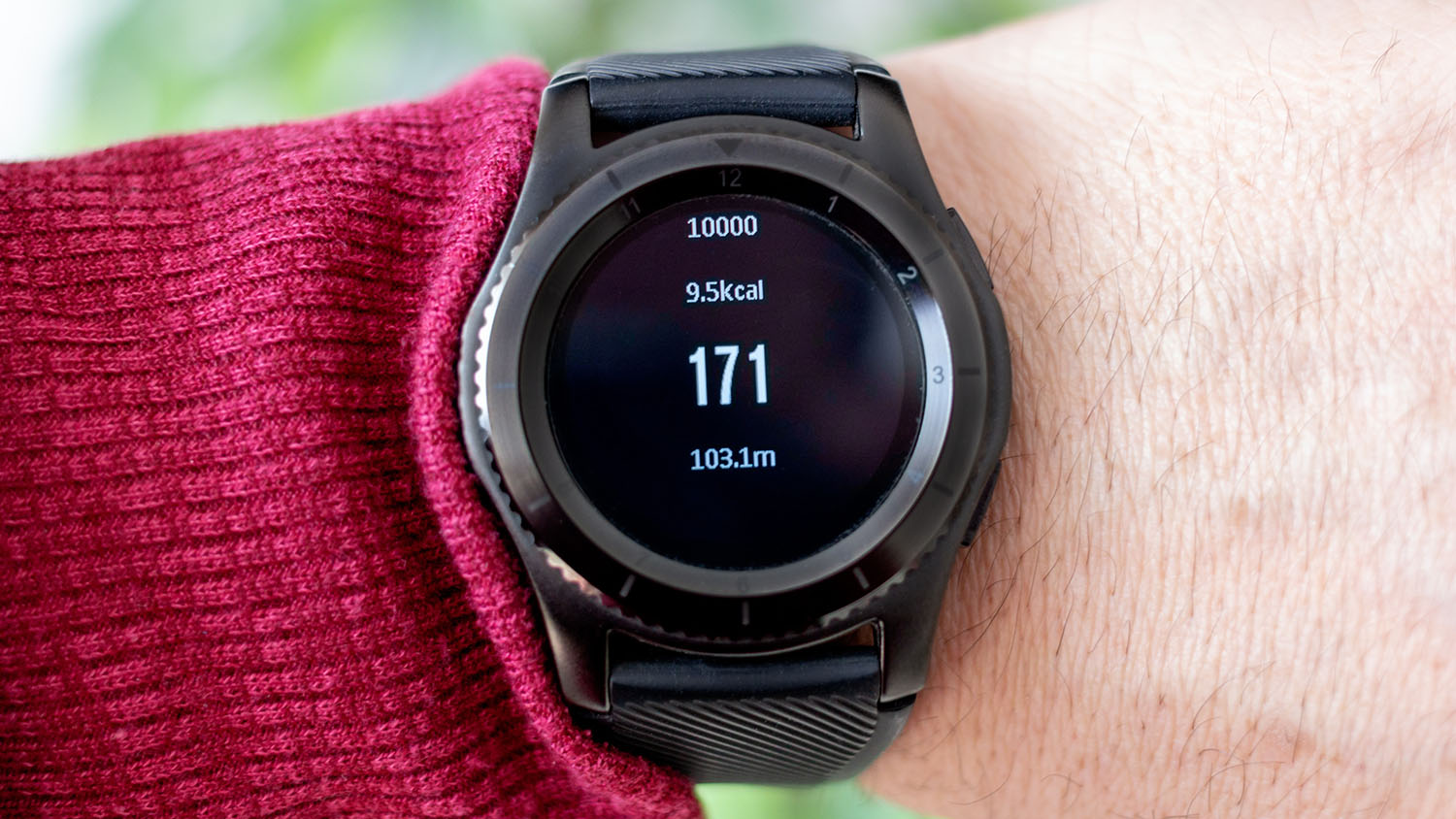
An accelerometer can help you find an actuator's resonant frequency, but that does not make it the frequency your user will prefer. Human skin relies on different mechanoreceptors for the sense of touch. The ones responsible for sensing vibration are the Pacinian corpuscles. They detect vibrations roughly between 40 and 800 Hz, with a peak of sensitivity between 200 and 300 Hz. Haptic feedback at that peak can quickly become intrusive and annoying, and smaller LRAs sit close to exactly that band.
High-Frequency Haptics is Noisy
Sound, like haptics, is based on vibration. The difference is which part of the body picks it up. When you design haptics you have to account for the sound the solution will generate, because noise distracts the user from the tactile feedback and is not pleasant in its own right. Remember how much sound the ERMs made in the first smartphones? Everybody near you knew you had a notification, even with the phone on Do Not Disturb.
The human ear hears frequencies between roughly 20 Hz and 20 kHz. A haptic actuator vibrating at 100 Hz is audible, but far less so than the smaller LRAs and ERMs running above 200 Hz. Targeting a lower frequency is the way to a quiet haptic solution.
Better Haptics Makes Your Device Feel Premium
 Well-executed haptics have a positive effect on a product's perceived quality. Apple, for example, aligned its haptics quality with the iPhone's premium feel and price tag.
The reverse is also true: poor haptics make a device feel cheaper. Compare the haptics coming out of the Apple Watch with other smartwatches. The decision to use a much bigger actuator, and a larger mass to lower the resonant frequency, pays real dividends in user experience. Other smartwatches do not have that premium feel when they vibrate.
Apple's Taptic Engine is a custom design, it is quite big, and it is not available to buy. So what can other smartwatch and wearable OEMs do?
There Is No Product That Solves a Physics Problem
Apple's answer points straight at the underlying rule. A lower resonant frequency requires more mass. You can take that mass from a bigger actuator, from a dedicated weight, or from a component already sitting in the device, but you have to take it from somewhere. No part you can buy will hand you low-frequency haptics in a small package, because the constraint is mechanical rather than electrical.
We explored one version of that ourselves. The Boréas Piezo Haptic Engine was a concept that paired an off-the-shelf piezo actuator with the device's own battery, used as the moving mass. On paper it worked: a battery is heavy relative to a haptic actuator, so it brought the resonant frequency down without anyone having to fit a larger actuator into a wearable.
The industry did not take it up. Mounting a moving mass on a battery introduces a safety risk that device makers were not willing to accept, and we stopped the project. The result is still worth knowing, because it tells you where the boundary actually is: the approach is mechanically sound, and the reason it fails is neither acoustic nor electrical. It is safety.
Where Piezo Haptics Fit in Wearables
That leaves an honest question. If piezo cannot easily deliver a low-frequency whole-device buzz in a watch-sized product, where does it belong?
Not in notifications. Smartwatch and smart ring makers have approached us about integrating solid-state buttons into their modules, and the same constraint came up every time: they also needed a notification buzz, and there was not enough room for both an LRA and a piezo actuator. The notification is the feature a user relies on every day, so it wins the space and the LRA stays. For those products, that is the right call.
Piezo's advantage lies in a different kind of interaction. It excels at localized feedback at the point of touch and at replacing a mechanical button with a solid-state one, where the user is making a deliberate press rather than receiving a passive alert. That is why AI glasses are the wearable category where piezo genuinely fits: the primary interaction is a press on the temple, nobody expects the frame to buzz, and removing a mechanical button is an actual design goal.
Getting the Trade-Offs Right Is the Real Work
Knowing which technology to choose, and recognizing when your preferred technology is the wrong answer, is most of the work in a haptic design. Boréas has spent years mapping this trade space, including the parts of it where piezo loses.
That is what the Boréas Blueprint exists for: a co-development program covering mechanical, electrical and software integration from concept through mass production, so your team can reach the right haptic experience without rediscovering these constraints the hard way.

Frequently asked questions
Why do haptics on a smartwatch feel worse than on a phone?
Because the actuator is smaller. An LRA works at its resonant frequency, and that frequency is set by its mass: the lighter the mass, the higher the frequency. A wearable has no space for a large actuator, so its LRA runs at a higher frequency than a phone's. That frequency sits closer to the band where skin is most sensitive and where the actuator is most audible, which is what makes the feedback feel thin and buzzy rather than solid.
What vibration frequencies can human skin actually feel?
The Pacinian corpuscles, the mechanoreceptors responsible for sensing vibration, detect roughly 40 to 800 Hz, with peak sensitivity between 200 and 300 Hz. Peak sensitivity is not the same as pleasant: haptic feedback delivered right at that peak quickly becomes intrusive and annoying, and small LRAs tend to land close to it.
Why is a higher acceleration value not automatically better haptics?
Because humans aren't accelerometers. An accelerometer will tell you where an actuator's resonant frequency is and how strongly it moves, but it says nothing about how the result feels on skin or how much noise it makes. An actuator can post a higher acceleration figure and still deliver a worse experience if it is running at a frequency the user finds irritating.
Why are small haptic actuators noisy?
Sound and haptics are both vibration, and the human ear hears roughly 20 Hz to 20 kHz. The higher an actuator's frequency, the more of its output falls where the ear picks it up easily. An actuator running at 100 Hz is audible but far quieter than the smaller LRAs and ERMs running above 200 Hz. Since a small actuator is forced to a high frequency, small and quiet pull against each other.
Why does the Apple Watch feel better than other smartwatches?
Apple used a much bigger actuator, with a larger mass, specifically to bring the resonant frequency down. A lower frequency is what gives the Apple Watch its solid, premium-feeling tap rather than a high-pitched buzz. The Taptic Engine is a custom in-house design that Apple does not sell, so other OEMs cannot simply buy the same part.
Can you use a device's battery as a haptic mass?
Mechanically, yes, and it works. A battery is heavy relative to a haptic actuator, so using it as the moving mass brings the resonant frequency down without requiring a larger actuator. Boréas built exactly this as the Piezo Haptic Engine concept. It never reached production: mounting a moving mass on a battery introduces a safety risk device makers were not willing to accept, and the project was stopped. The physics is sound, the objection is safety.
Can piezo replace the LRA in a smartwatch or a smart ring?
In practice it rarely does, and the obstacle is space rather than performance. Watch and ring makers who have approached us about solid-state buttons still needed a notification buzz, and there was not enough room for both an LRA and a piezo actuator. The notification is the feature users depend on daily, so it keeps the space. Fitting both a whole-device alert and localized button feedback into a watch-sized enclosure is a hard design, and the honest answer is often to keep the LRA.
Where do piezo haptics fit in wearables?
In interactions where the user presses deliberately rather than receiving a passive alert: localized feedback at the point of touch, and solid-state buttons replacing mechanical ones. AI glasses are the clearest fit, because the main interaction is a press on the temple, nobody expects a whole-device buzz, and removing a mechanical button is a real design goal. For a whole-device notification in a watch or a ring, an LRA remains the practical choice.
Glossary
Resonant frequency: The frequency at which an actuator's mass produces its highest acceleration. It is set by the mass and the suspension stiffness, and a lighter mass raises it.
Linear resonant actuator (LRA): An actuator that vibrates a spring-suspended magnetic mass along one axis using a voice coil, operating almost exclusively at its resonant frequency.
Eccentric rotating mass (ERM): A vibration motor that spins an off-center weight to create an unbalanced force, and therefore vibration.
Mechanoreceptor: A nerve ending in the skin that responds to mechanical stimulation such as pressure, stretch or vibration.
Pacinian corpuscle: The mechanoreceptor responsible for sensing vibration, responsive from roughly 40 to 800 Hz with peak sensitivity between 200 and 300 Hz.
Moving mass: The mass an actuator accelerates to generate a felt force. A heavier moving mass lowers the resonant frequency.
Solid-state button (SSB): A button with no moving parts that pairs force sensing with a piezo actuator, detecting a deliberate press and confirming it with localized tactile feedback.
Rise and fall time: How quickly an actuator reaches full output and then stops. Short times are what separate a defined tap from a lingering buzz.
HD haptics: High-definition tactile feedback, meaning effects with enough bandwidth and speed to be felt as distinct sensations rather than one generic vibration.
Piezo Haptic Engine (PHE): A Boréas concept that used the device's own battery as the moving mass for a piezo actuator, to lower the resonant frequency in space-constrained devices. Explored and discontinued over the safety risk of mounting a moving mass on a battery.
Related reading
Piezo vs LRA: How Linear Resonant Actuators Compare to Piezo Haptics
How to Choose a Haptic Actuator: Piezo vs LRA vs ERM
Mechanical Fundamentals of Piezo Haptic Actuators
Smart Glasses UX: Why Every Input Modality Falls Short
7 Reasons Why Solid-State Buttons Can Transform How We Navigate AR Glasses
Boréas Blueprint: piezo integration engineering
Next steps
De-risk your haptic integration with the Boréas Blueprint co-development program → https://www.boreas.ca/pages/boreas-blueprint-engineering
See the solid-state button solution for AI and AR glasses → https://www.boreas.ca/pages/ar-glasses-solid-state-button
Prototype piezo feedback with a development kit → https://www.boreas.ca/products/bos1921-kit-c01
Talk through your wearable haptics trade-offs with our engineering team → info@boreas.ca
Leave a comment